


The Hoof Problem That Can Affect Your Horse's Entire Body
Long toes and underrun heels are prevalent hoof issues in horses that can lead to a wide range of health and performance complications. These conditions affect the entire musculoskeletal system, influencing the horse’s body posture, movement efficiency, and long-term soundness. When left unmanaged, long toes and underrun heels cause strain on various body parts, leading to lameness, joint damage, and overall discomfort. This blog post delves into the mechanics of how long toes and underrun heels influence a horse's body and movement, outlines key strategies for addressing these issues, and provides practical takeaways for horse owners and hoof care professionals.
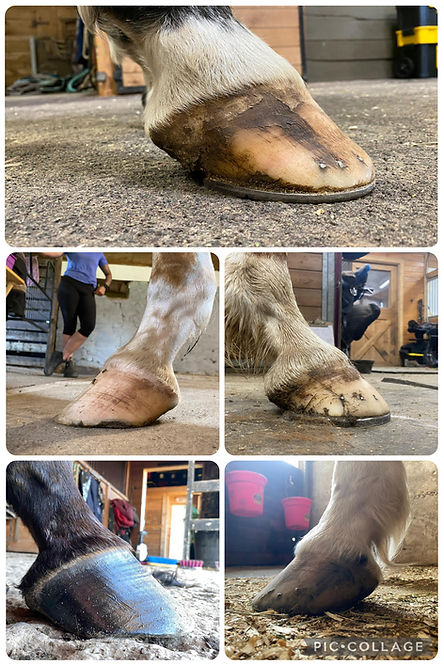
Understanding the Biomechanics of Long Toes and Underrun Heels
Long toes and underrun heels disrupt the horse’s natural hoof structure and balance, resulting in abnormal pressure distributions that impact not only the hoof but also the legs, joints, and spine. In an ideal hoof, the toe-to-heel ratio supports proper weight distribution, promoting efficient movement with minimal strain. However, long toes cause the weight-bearing axis to shift forward, which puts undue pressure on the heels. When the heels are forced to support more than their structural capacity, they start to "run under" the hoof, becoming low, collapsed, and undersized, which further disrupts balance and creates a cascade of problems throughout the body.
1. Identifying the Impact on Joint Health and Soft Tissues
When horses have long toes and underrun heels, their joints and soft tissues endure abnormal forces during movement.
Key Points:
Increased Strain on Joints: Long toes extend the breakover point—the moment the hoof leaves the ground—which creates additional strain on the fetlock, pastern, and coffin joints. This delayed breakover also stresses the digital flexor tendons and ligaments as they struggle to support the extended lever arm created by the longer toe.
Soft Tissue Damage: Excessive tension in the flexor tendons and ligaments can lead to inflammation, micro-tears, and injuries like suspensory ligament strain. Over time, chronic stress on these tissues may cause permanent damage, weakening the support structures essential for soundness.
Action Step: Regularly assess hoof shape and seek veterinary advice if signs of joint stiffness, discomfort, or swelling are present, as they could indicate early damage from hoof imbalance.
2. Recognizing the Effects on Body Posture and Alignment
Long toes and underrun heels affect the horse's entire body posture. Horses instinctively try to alleviate discomfort in their hooves by adjusting their body position, which can lead to secondary musculoskeletal issues.
Key Points:
Compensatory Posture: A horse with underrun heels may shift its weight backward to avoid pressure on the heels, causing it to hollow its back and raise its head. This "compensatory posture" leads to muscle tension, particularly in the neck, back, and hindquarters.
Swayback and Overdeveloped Muscles: Chronic posture adjustments can result in swayback, overdeveloped neck and shoulder muscles, and an overall imbalanced physique. This altered body structure not only reduces movement efficiency but can also cause chronic pain over time.
Action Step: Monitor your horse’s posture often. Getting your horse regular bodywork can also help address compensatory postures. A horse that consistently shifts its weight to relieve hoof discomfort may benefit from corrective hoof trimming to restore balance.
3. Evaluating the Impact on Movement and Performance
Long toes and underrun heels significantly impact the horse's ability to perform various gaits effectively, limiting its athleticism and stamina.
Key Points:
Reduced Stride Length and Breakover Efficiency: Long toes increase the effort required for the hoof to "break over" or lift off the ground, which shortens the stride and reduces efficiency. This limitation in breakover is especially problematic in performance horses, where agility and smooth movement are crucial.
Fatigue and Reduced Athletic Performance: Because of the excessive energy required for movement, horses with long toes and underrun heels often experience fatigue sooner than those with balanced hooves. This not only limits their stamina but can also make them more prone to injuries.
Action Step: Work with a farrier to develop a trimming and shoeing plan that optimizes the hoof’s breakover point, allowing the horse to move more freely and efficiently.
4. Preventing Chronic Lameness and Injury
Chronic lameness and injuries are common in horses with long toes and underrun heels, as these conditions place excessive strain on the musculoskeletal system.
Key Points:
Increased Risk of Lameness: Horses with hoof imbalances are at high risk for lameness, especially in the forelimbs. Conditions such as navicular disease, heel pain syndrome, and tendonitis are common among horses with poorly balanced hooves.
Progressive Deterioration: If left unaddressed, the condition can worsen, leading to a breakdown of the soft tissues and bones in the hoof. This can result in progressive, irreversible lameness that may ultimately compromise the horse’s quality of life.
Action Step: Schedule regular hoof inspections and veterinary checkups to detect early signs of hoof imbalance and prevent lameness. Early intervention can significantly reduce the likelihood of long-term injury.
5. Implementing Preventive Hoof Care and Maintenance
Preventing long toes and underrun heels is more manageable than correcting them, making routine hoof care essential for maintaining soundness and performance.
Key Points:
Routine Hoof Trimming and Balancing: Regular trimming by a knowledgeable farrier is essential to prevent long toes and underrun heels. Proper trimming can also maintain the hoof's natural shape and encourage balanced growth.
Environmental Factors: Allowing horses ample turnout on varied terrain helps stimulate natural hoof wear and strengthens the hooves. Different surfaces, such as gravel, sand, and hard ground, promote healthy sole development, stimulate blood flow in the hoof, and encourage a more natural hoof shape. For horses kept mostly in stalls, consider incorporating structured exercise on varied terrain.
Action Step: Develop a customized hoof care schedule with your farrier, ideally every 4-6 weeks, sometimes shorter, depending on your horse's needs. A consistent maintenance routine is the best preventive strategy against hoof imbalance.
Practical Takeaways for Hoof Health
Maintaining proper hoof balance is crucial for a horse’s overall health, movement, and performance. Long toes and underrun heels create a cycle of strain and compensation that affects the entire body, leading to joint stress, postural issues, reduced stride, and even chronic lameness if not addressed. Through regular farrier visits, careful observation of posture and movement, and prompt intervention when issues arise, horse owners can greatly improve their horse's quality of life and longevity.
Actionable Takeaways:
Prioritize Hoof Balance: Schedule regular farrier appointments on a short trim cycle to ensure the hooves maintain a healthy toe-to-heel ratio and avoid undue strain.
Watch for Compensatory Behavior: Schedule regular bodywork appointments and ,monitor your horse’s posture and gaits for signs of discomfort or compensation that may indicate hoof imbalance.
Optimize Breakover: Work with a skilled farrier to establish a trimming plan that facilitates efficient breakover.
Engage in Early Intervention: Don’t wait for lameness to manifest—act on early signs of hoof imbalance to prevent further issues.
Implement a Preventive Maintenance Schedule: Establish a preventive care routine that includes regular trimming, bodywork, and consistent observation for long-term hoof health.
Managing long toes and underrun heels requires a proactive and consistent approach. By prioritizing proper hoof care, owners and trimmers can enhance the horse’s overall health, optimize movement, and prolong its performance potential.


Comments